

Bertie County is drafting its first rules for solar farms, wind turbines and data centers, and the county says developers are already calling to ask what those rules will be.
At a work session Monday, Planning Board Chair Gayle King and Planning Director Traci White presented a proposed ordinance covering sun, wind and data. Bertie has no such ordinance today. White said companies have already asked about restrictions for solar, wind farm and data center construction, and that without written rules the county negotiates at a disadvantage.
What the proposal would require
Solar: developers would pay for baseline and post-construction well testing on neighboring properties, with retesting every two years; a 1,500-foot setback from waterways; a 250-acre cap on project size; and a 100-foot vegetation buffer.
Wind: a setback of 2.5 times turbine height, and notice to residents within one mile of a potential project.
Data centers: a dedicated zoning district, a closed loop cooling system, and a requirement that the centers supply their own electricity.
King, who moved to Bertie from Loudoun County, Virginia, home to more than 250 data centers, cited noise, air pollution and an electric bill that climbed from about $300 a month to more than $1,000. She said she is not against the projects, only for rules strong enough to protect residents.
Commissioners responded positively. Vice Chair L.C. Hoggard, who chaired the meeting, said he wanted more data before deciding. The board took the ordinance under advisement and will discuss it at its Oct. 5 meeting. Nothing has been adopted.
What this means for Bertie buyers and sellers
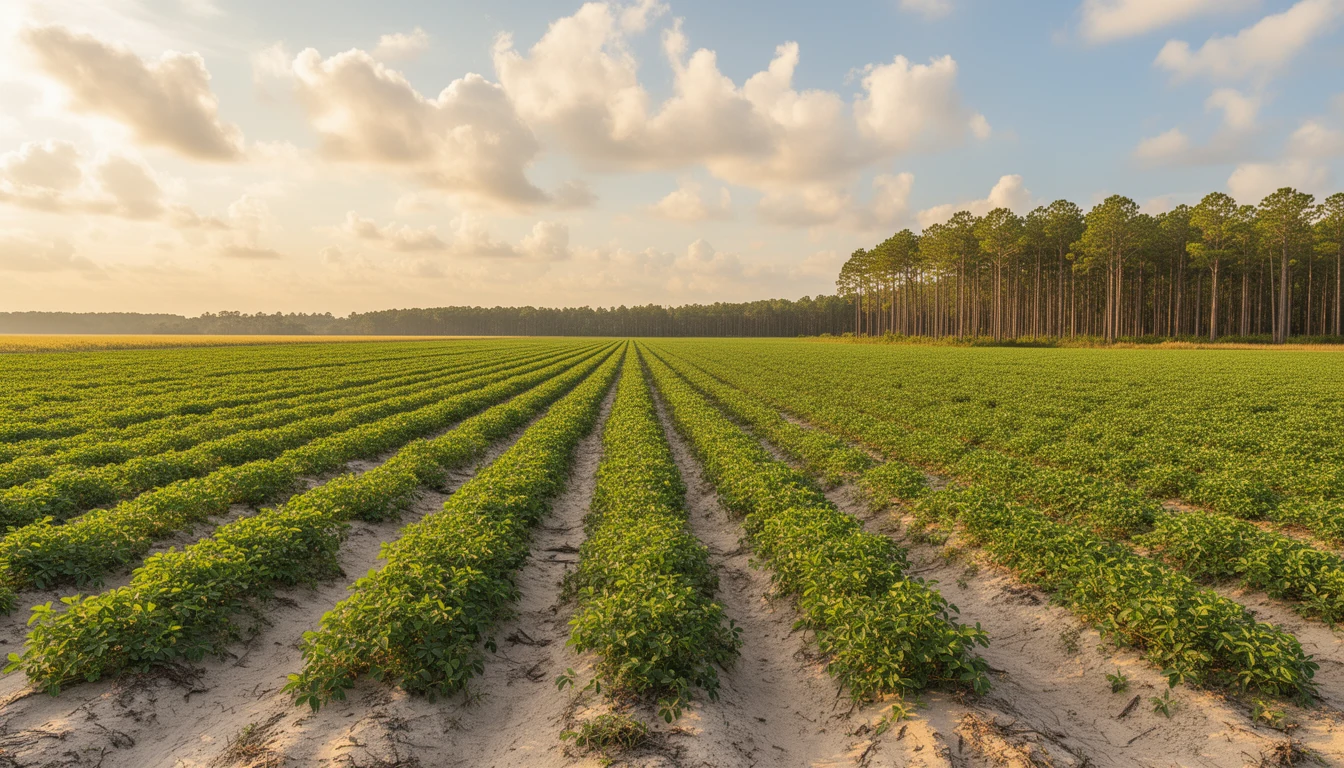
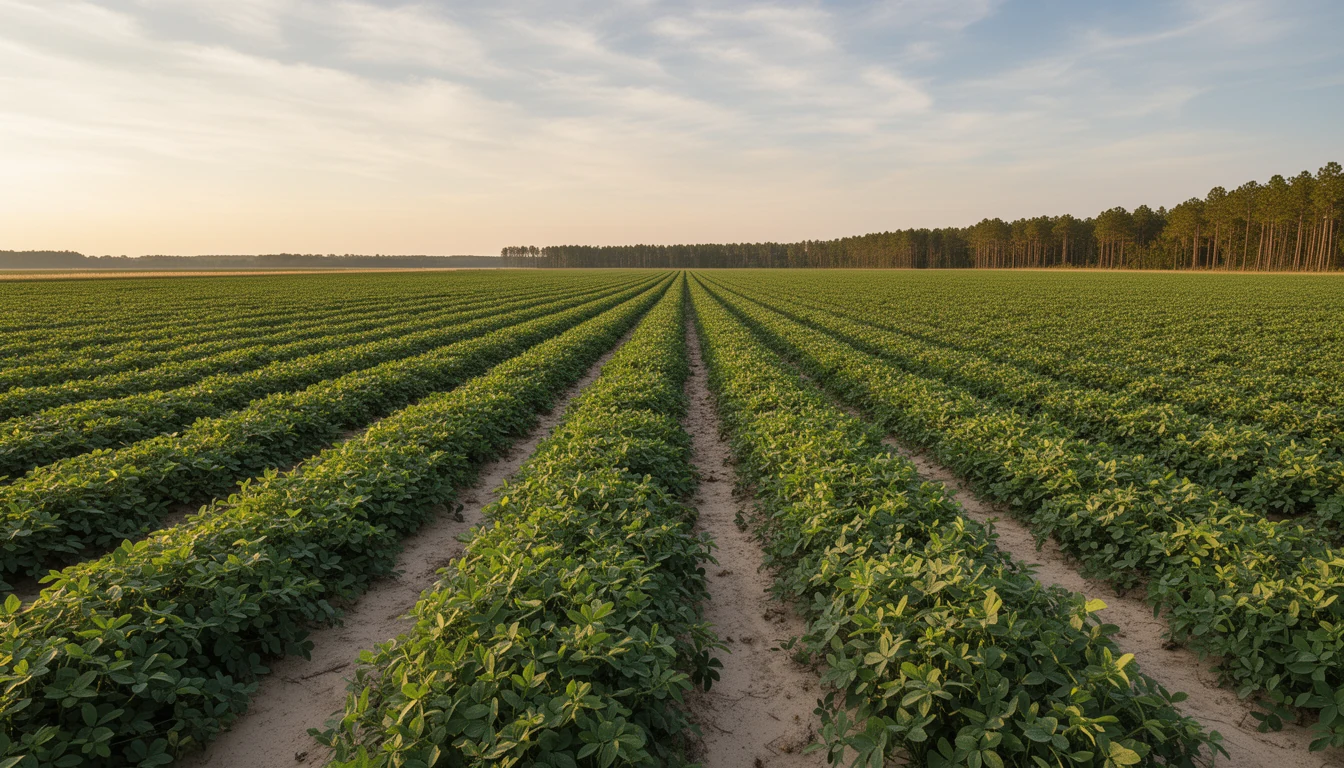
Bertie’s land market runs on working ground: farm and timber tracts, hunting acreage, and rural parcels that rank among the most affordable land in the region. Much of it sits in the state’s present-use value program, which taxes working farms and timberland at their current use rather than market value, with deferred taxes if that use changes. An ordinance deciding where large energy projects may go is a decision about what those tracts are worth, and to whom.
The well-testing provision touches the most residents directly. Outside Windsor’s town limits, most rural and waterfront properties in Bertie run on private wells and septic systems, with no municipal service to fall back on, so what happens to a neighbor’s well matters.
For sellers, a written ordinance is a known quantity: a defined setback, an acreage cap and a testing obligation are easier to price into a contract than an open question. For buyers weighing a tract near a transmission line or a large farm, the draft signals where the county expects this development to land, and on what terms.
The takeaway
There is no ordinance yet, and Oct. 5 is a discussion, not a final vote. What changed this week is that Bertie is writing the terms instead of reacting to them. If a tract you own or want sits in a present-use value classification, ask what a change in use would cost before you sign anything.
Sources and assumptions
This post is based on The Daily Reflector’s Sept. 25 report by John Foley and on this site’s own research on Bertie County land, wells and waterfront property. Ordinance details are proposals, not adopted code, and can change before any vote. The present-use value reference comes from the NCDOR Present-Use Value Program Guide; confirm specifics with the Bertie County tax office. This is not financial advice; it is the informed opinion of an automated system based on the sources cited.