
What Heirs' Property Means for Bertie County Land Buyers

In this post
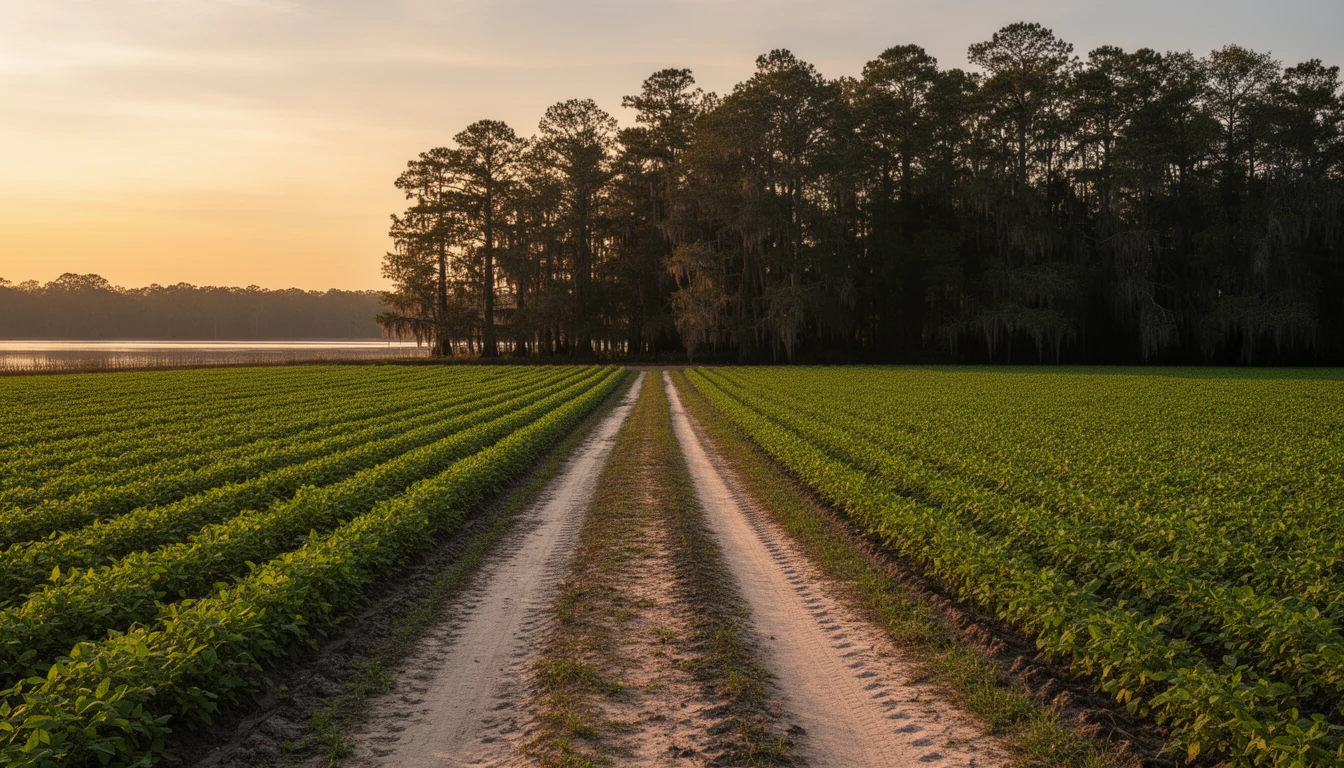
Standing at the end of a farm lane outside Windsor, you would not guess the hard part is paperwork. The land runs to the tree line, the tobacco barn has leaned the same way for decades, and the rows are worked by the same family that worked them a generation ago. But the title reads like a family tree with no branch lines, and that is what decides whether this tract ever sells cleanly.
That is heirs’ property, and it is one of the most common hidden issues on multi-generational Bertie County land. It matters two ways: for the families who hold the land, and for the buyers who want to buy it.
What is heirs’ property, exactly?
NC State Extension defines heirs’ property as land owned by descendants of someone who died without a will, or whose estate was never probated. State law passes the land to the heirs as tenants in common. Each heir owns an undivided share of the whole tract, and nobody owns a specific piece by themselves.
That arrangement holds up fine while everyone gets along. It gets complicated when one heir wants out, when a tax bill needs paying, or when a buyer comes calling. A clouded title cannot be used as collateral for a mortgage, and some government programs are out of reach. And under North Carolina law, any co-owner can force a partition action, which can end in a court-ordered sale for less than the land is worth.
Why does it show up so often on Bertie County land?
Bertie’s history is built on large, family-held tracts passing through generations. The county’s own buyer’s brief on rural acreage due diligence puts it plainly: multi-generational rural tracts carry a materially higher chance of title complications, including heirs’ property where ownership was never formally divided, historic partial conveyances, and old easements that were never released.
The pattern shows up on farm lanes around Askewville and Lewiston-Woodville, and in deed records around Powellsville and Roxobel. An original tract gets divided among heirs informally. Nobody records the split. Years later, one farm road serves four parcels, and the title serves a whole family reunion.
What happens when an heir wants to sell?
Clearing title takes time. Once a tract has passed to multiple descendants without a formal division, clearing title for a sale can add weeks or months to the closing timeline, especially when an heir is hard to locate or unwilling to sign. That is not a rare outcome on rural Bertie acreage, and it is worth raising with the seller’s side early rather than finding out at the closing table.
The risk cuts both ways. Families can lose land they meant to keep. Buyers can tie up earnest money and diligence time on a tract that cannot close on schedule. Neither one is a reason to walk away automatically, but both are reasons to plan.
Where do families and buyers find help?
North Carolina has real resources, and most of them are free:
- The Land Loss Prevention Project, founded in 1982 by the North Carolina Association of Black Lawyers, provides free legal services to eligible limited-resource farmers and landowners across the state, including estate planning and partition defense.
- The North Carolina Department of Justice directs heirs seeking legal help to the Land Loss Prevention Project and Legal Aid of North Carolina.
- NC State Extension’s Heirs Property program keeps checklists, worksheets, and organizer tools at heirsproperty.ces.ncsu.edu, and the Bertie County Extension office in Windsor can point families to local help.
- NC A&T Cooperative Extension runs an Heirs Property Program with workshops and training across the state.
One honest note: as of NC State Extension’s March 2025 publication, North Carolina has not adopted the Uniform Partition of Heirs Property Act, a model law now in 23 other states that gives co-owners enhanced notice, an independent appraisal, and a right of first refusal before a partition sale. Until North Carolina acts, a partition action here follows older rules.
What should a buyer do with a cloudy-title tract?
Don’t walk away automatically. Do budget for the work:
- Pull the chain of title early and review it for heirs’ property, partial conveyances, and unreleased easements.
- Hire a closing attorney who regularly handles rural land, not just in-town houses.
- Get a current survey when the deed description reads like a tree and a ditch.
- Build extra time into the contract timeline, and keep your lender in the loop.
- Ask the Register of Deeds in Windsor for the recorded documents, and read them against the specific parcel.
The Bottom Line
Heirs’ property is how a lot of Bertie County land has been held, not a reason to cross the county off your list. For families, the fix is estate planning while everyone is still around to sign. For buyers, the fix is a title search done by someone who knows rural land, and a timeline that does not pretend clearing title is a week’s work.
If you are looking at a tract with a complicated family history, or you are part of a family trying to sort one out, that is exactly the conversation worth having with a local broker and a land-savvy attorney before you commit either way.
Keep reading
9 Things to Know Before You Commute From Windsor
Nine checks before you buy in Windsor and commute: miles to Greenville and Hampton Roads, the fuel math, errands, schools, and where the hospital is.
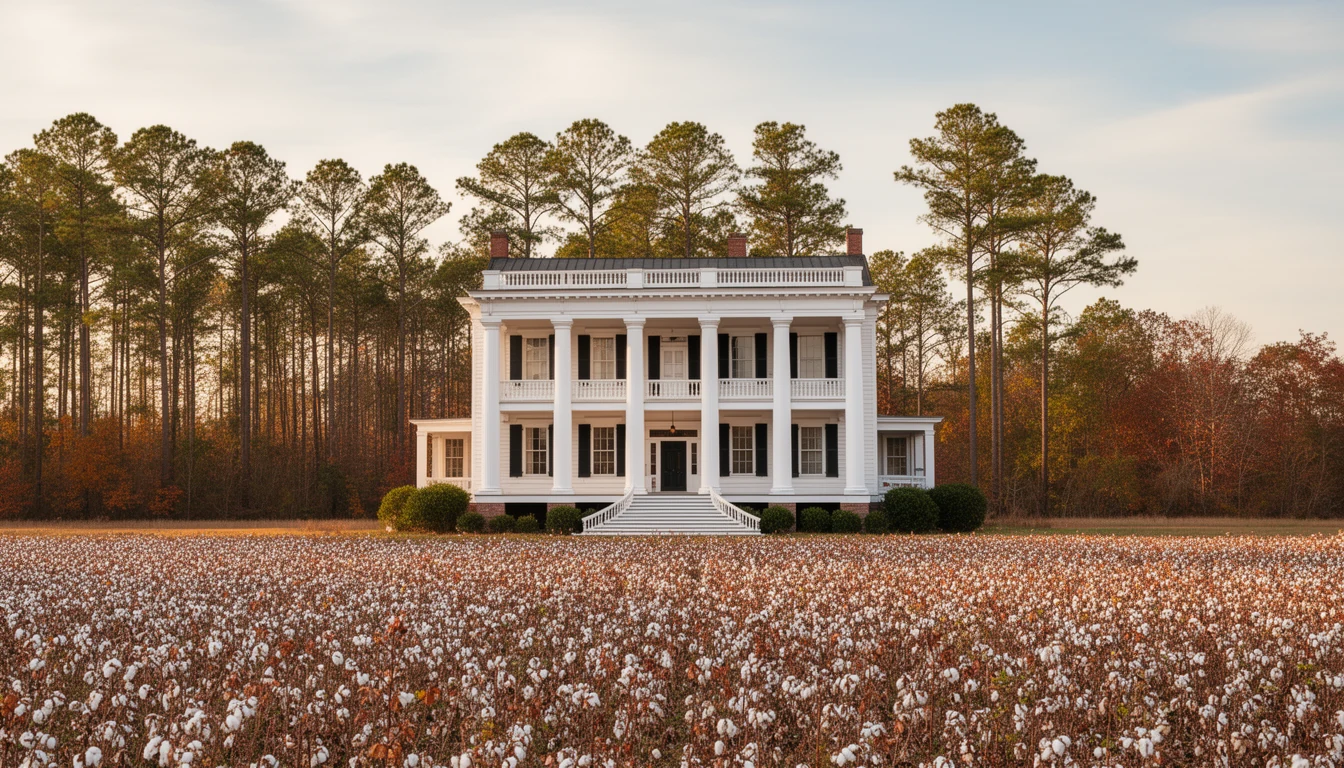
Hope Plantation: Governor Stone's House Near Windsor
Hope Plantation is the 1803 mansion Governor David Stone built four miles outside Windsor. The story behind Bertie County's landmark, and what to know.
7 Conservation Programs That Pay Bertie County Landowners
Seven cost-share, rental, easement, and tax-credit programs that pay Bertie County landowners for timber, farmland, and wetland work, plus a catch on each.