
Before You Offer: Check These 5 Bertie Records

In this post
A November morning in Windsor usually comes in gray and wet, and the Register of Deeds on the first floor of the 1889 courthouse has its own weather. Floor wax and old paper. A furnace ticking on. You ask the clerk for the grantor index, and she slides a book onto the counter that weighs more than a bag of feed.
Every deed in Bertie County is public. Anyone can walk in and read it. Most buyers never do, which is where the surprises come from later.
Here are the five records worth pulling before you make an offer, in the order I’d pull them.
1. The deed itself
Start with the document that moved the land the last time. The Register of Deeds is at 108 Dundee Street, open 8:30 to 5 on weekdays, and recordings close at 4:30. The online real estate index runs from 1977 forward. Anything older you look up by book number, starting with Book 600.
Read the legal description out loud, then keep reading. The paragraph after it, the one full of “subject to” language, is where a right-of-way gets reserved, where the timber stays with the seller, or where a family burying ground keeps a small square of the tract.
Then check who signed. If a spouse or an heir is missing from the deed, the chain has a hole in it. A title company will find that hole eventually, usually a week before closing.
2. The plat
Plats live in the same office, and a plat is the tract as a surveyor drew it, down to bearings and distances and where the lines run on the ground. What a plat won’t tell you is whether anyone can legally reach the property.
Look for the road. If the access is not deeded, ask how the seller gets there. An easement recorded in the chain of title is worth a great deal more than a handshake at the mailbox, and it is the most common soft spot on rural Bertie tracts.
3. The tax card and the parcel map
The tax office sits in the same complex, and its number is (252) 794-5311. The record carries acreage, heated square footage, the year improvements were added, and assessed value by year.
Two things to compare. Acreage on the tax card against acreage in the deed. When they disagree, one of them is wrong and you want to know which before you pay per acre. Then look for a house on the tax card that does not appear in the deed, which usually means a family transfer nobody recorded.
After that, open the county’s GIS parcel viewer and lay the shape over the aerial imagery. It’s the fastest way to see how the tract sits, and whether the mowed lane you assumed was a driveway runs across someone else’s line. The county is blunt about its own data. It’s for information, and it is not a substitute for a survey.
4. The soil survey
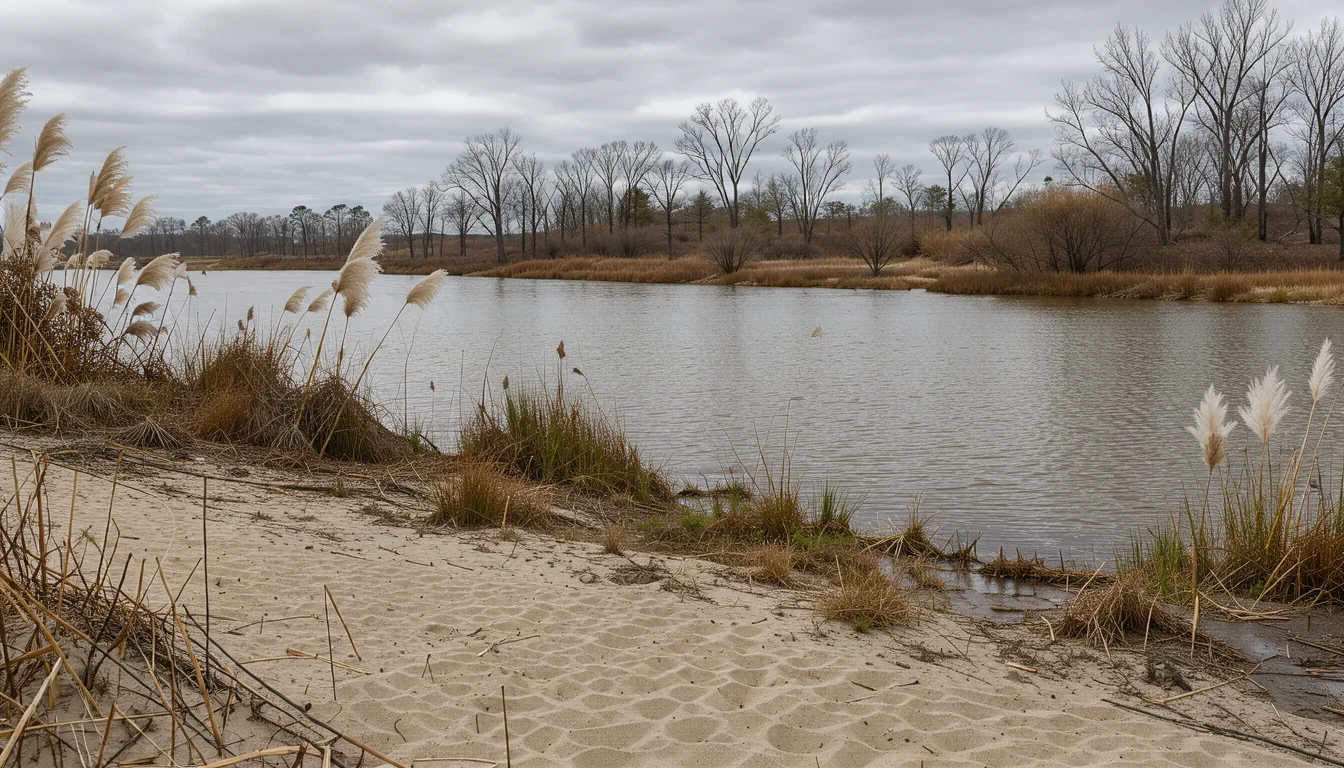
The USDA soil survey is free online, and ten minutes with it will save you an expensive mistake. Draw the parcel and pull the map unit. Read the drainage class and the depth to the seasonal high water table. Then check whether the unit is flagged as hydric.
That last line matters most on land near the pocosin edges. A unit with the water table a foot down in February decides where a septic field can go and why the back field squishes while the front pasture drains. On a Bertie tract the change can happen over a hundred feet, which is why the soil lines and the fence lines so often agree.
5. The flood map, and the county’s own file
Flood zones come from FEMA, and the state’s flood risk system puts the same maps in one place with better search. Look up the parcel, not the street address, because addresses out here route a long way from the house.
Last stop is Planning and Inspections at 106 Dundee Street, (252) 794-5336. Ask two questions. What has been permitted on this parcel? And what zoning applies?
If the land sits inside Windsor’s town limits or its extra-territorial jurisdiction, which the county describes as usually about a mile out, the town holds zoning authority and a Zoning Allowance Form is required before the county issues a building permit. It’s a stop on the checklist, not a wall. It’s also the form that tells you a previous owner built a shed in a setback.
What the records won’t tell you
None of this replaces a title search, an inspection, or a survey. What it replaces is guessing, and guessing is what buyers do when a listing looks clean and the price looks right.
The cost is honest. Two trips to Windsor and a few hours at a counter, with copies running a few dollars. Bertie is a big county and the courthouse is the only place some of these records live, so plan a day around it.
What no record will tell you is whether the well comes up with iron in it, or how the bottom field looks after three days of rain. Those answers come from standing on the land in bad weather. That’s the one piece of due diligence nobody keeps on file for you.
Keep reading
Living Next to a Bertie County Farm: What to Expect
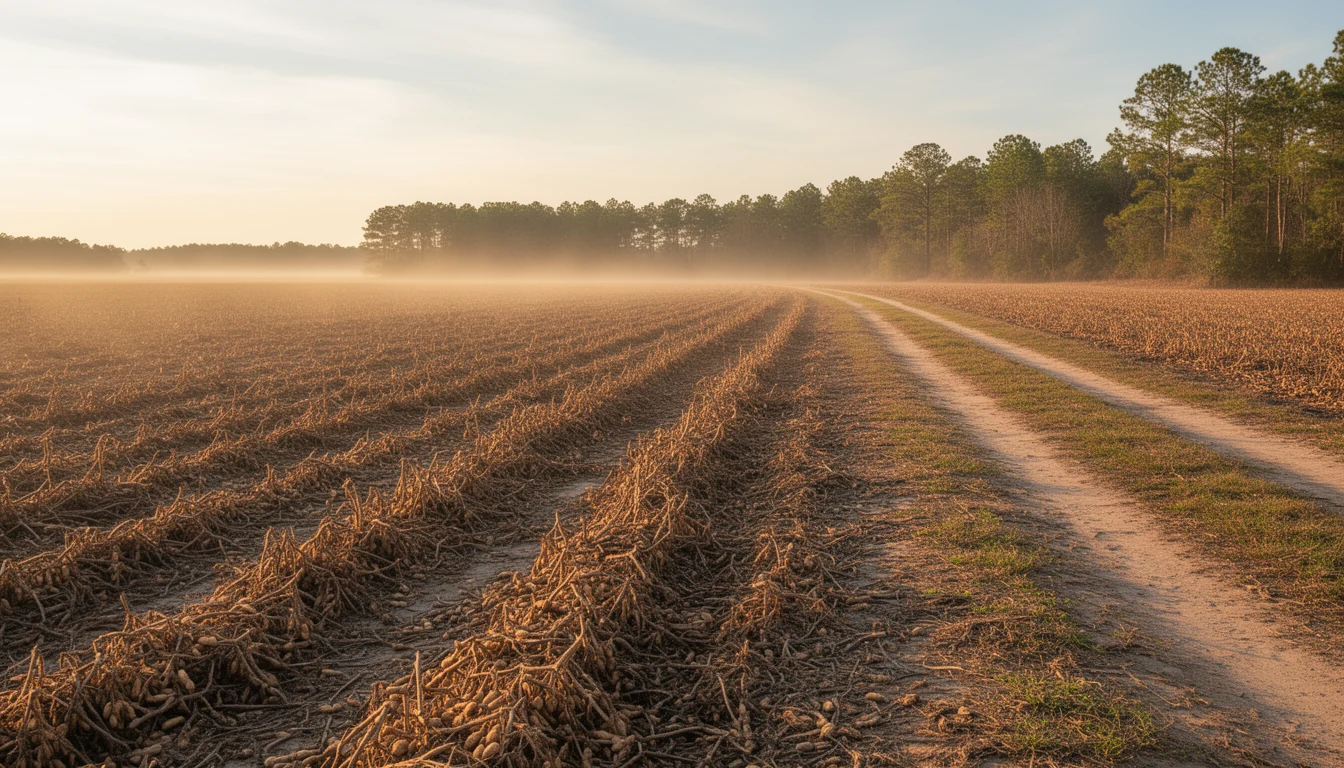
Dust in October, spray days, and slow equipment on NC 308: what living beside working farm ground in Bertie County is really like, and what to check first.
9 Things to Know Before You Commute From Windsor
Nine checks before you buy in Windsor and commute: miles to Greenville and Hampton Roads, the fuel math, errands, schools, and where the hospital is.
Hope Plantation: Governor Stone's House Near Windsor
Hope Plantation is the 1803 mansion Governor David Stone built four miles outside Windsor. The story behind Bertie County's landmark, and what to know.