
Living Next to a Bertie County Farm: What to Expect

In this post
The first thing you notice is not the view. It’s the sound. A tractor pulling a disk at six in the morning carries a long way across flat ground, and in Bertie County there’s very little to stop it.
People move out here for space, and the space they buy usually has a working neighbor. Bertie County runs on farm ground. The 2022 Census of Agriculture counted 94 farms here covering about 60,950 acres, which works out to roughly 648 acres per farm. That’s not a decorative landscape wrapped around the houses. It’s a business, and equipment has to move when the weather lets it.
If you’re looking at a house or a tract with a field on the other side of the fence, here’s what that actually means.
Harvest is the loudest stretch of the year
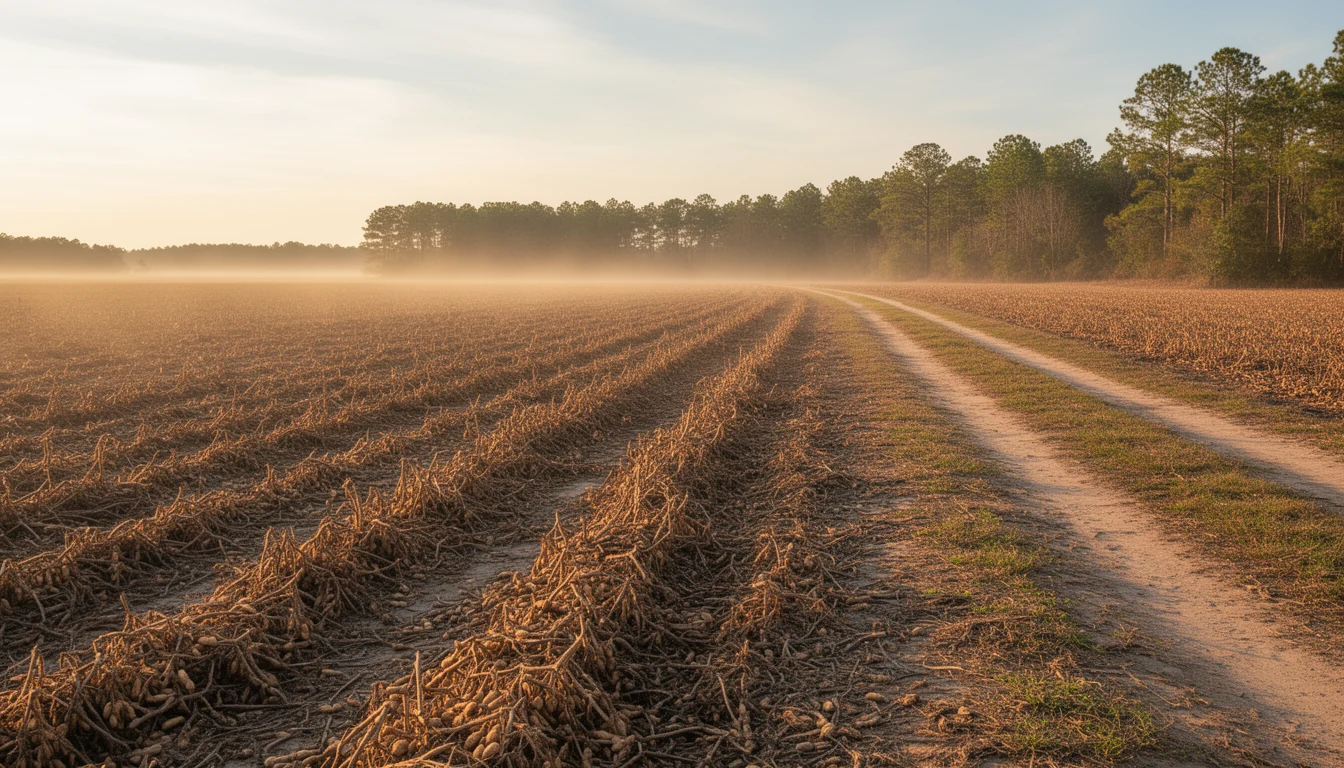
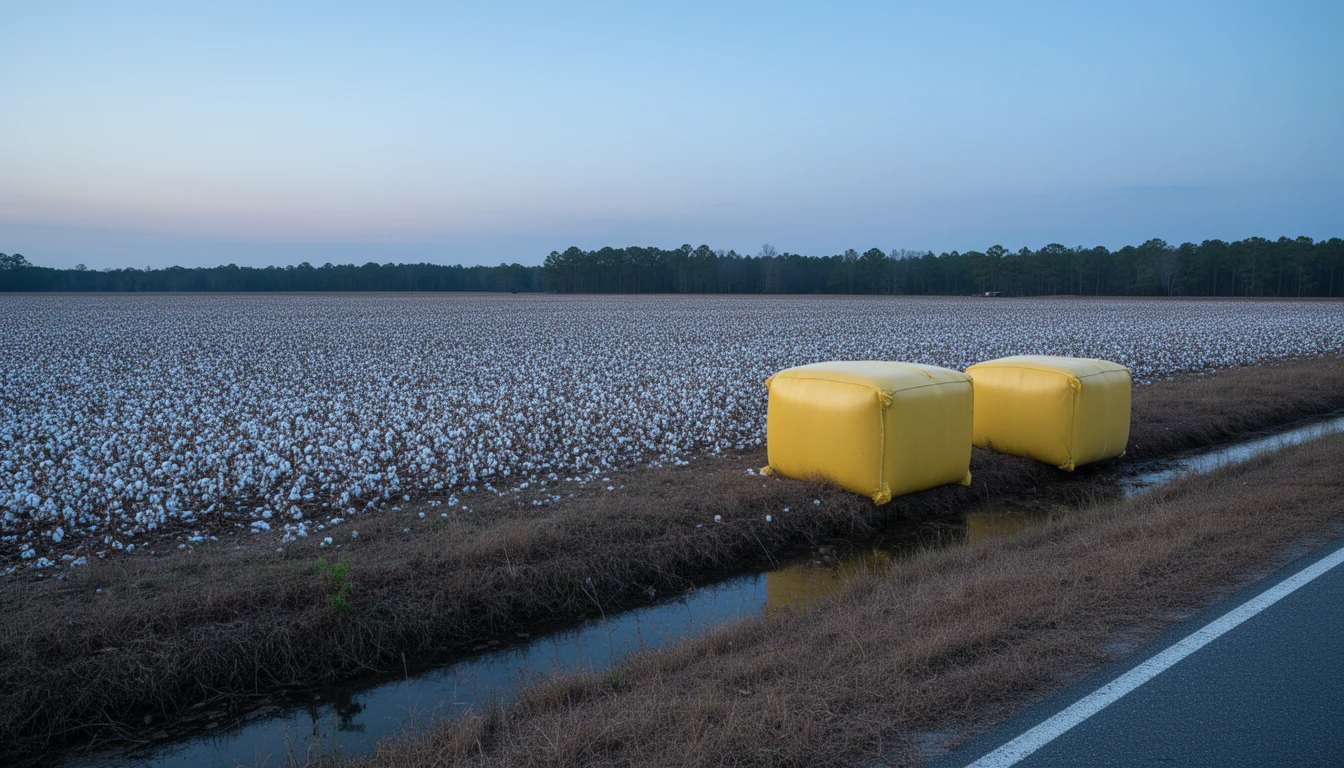
Peanut harvest starts late in September. Diggers lift the vines, and a few days later the combines come through with a pull behind them and throw dust that hangs over the road like a curtain. Cotton modules get wrapped in yellow and parked at the field edge until the trucks haul them out. Soybeans come off later, and corn before that in a wet year.
Drive NC 308 between Windsor and Lewiston Woodville in late September and you’ll pass equipment on the shoulder and a truck loaded with modules. On US 13 and US 17 through Windsor it’s faster traffic, and that’s where the slow-moving vehicle triangle matters most. A tractor pulling two implements doesn’t stop quickly, and it can’t see you in its mirrors.
Plan on passing, not tailgating. And plan on the trip taking longer during harvest than it does in February.
The law, mostly, sides with the field
North Carolina’s Right to Farm Act sits at G.S. 106-700 through 106-702. The short version: an agricultural operation that’s been running more than a year generally can’t be declared a nuisance because conditions around it changed, which includes new neighbors building nearby and then objecting to the smell or to a sprayer running at dawn.
I’m not a lawyer and this isn’t legal advice. Read it as a warning about expectations. If the complaint is dust, the county’s answer is often that you moved to farm country. That’s not unfair to the farmer. It is, honestly, something a buyer should know before signing rather than after.
There are real exceptions, and enforcement questions go to the state agencies that regulate pesticide application, not to your real estate agent. But the baseline matters: the field was there first, and the law knows it.
What’s normal, and what’s worth a phone call
Three things come off a field: soil, chemical, and odor. They don’t carry the same weight.
Dust is normal. It’s soil, mostly, and from September into November it settles on your truck and works into the porch boards. A pressure washer in the spring is part of living here.
Spray is regulated. Applicators are licensed, they work under label restrictions and wind conditions, and drift complaints have a process behind them. If something gets sprayed and you think it landed where it shouldn’t, write down the date and which field it was, and call the state. Don’t argue it out at the mailbox.
Smell depends entirely on the neighbor. A poultry house has a smell. A hog operation has a stronger one, and it carries further on a humid evening. If the field next to your prospective property has a long low building with fans on one end, ask what’s inside it before you make an offer. That’s a question worth asking twice.
Water runs downhill, and ditches run where they were dug
Bertie is flat, wet in winter, and ditched. Farm ground here is drained by a network of field ditches and canals, some of them maintained under drainage agreements going back generations. When a ditch fills in or a beaver dams it up, water backs up onto whoever is uphill of the blockage, and that argument can get heated fast.
Two things to check on any rural parcel:
- Is there a recorded drainage easement across the property, and who maintains it?
- Does the parcel sit below farm ground? If so, where does that water go in a wet February?
Ask for the last few years of aerial imagery on the county’s GIS mapping. A field that’s been tiled and ditched shows it. So does a low corner that holds water every spring.
Hunting season means guns on the other side of the fence
Deer season runs through the fall and winter, and rural land here gets hunted. Some of it is family ground. A lot of it is leased to clubs, and those clubs have members who know the property better than you will for the first year or two.
If you buy land with timber or field edges, expect to hear shots during season and expect dogs. Expect, too, that a leased parcel next door can change hands and change rules, along with how much traffic crosses the treeline behind your house.
That’s not a reason to avoid rural property. It’s a reason to walk the boundaries and know who’s on the other side. If you want to keep hunting access on your own land, that lease is worth money and worth writing down.
What to check before you commit
Bring the same list to every rural showing.
- What is the neighboring land used for, right now, and who owns it?
- Is that ground owned or leased? Leased ground can change hands and change crops.
- Where are the poultry houses and hog barns in relation to the house?
- Are there deed restrictions, and does the deed carry a right-to-farm disclosure?
- Does the property have a recorded drainage easement, and is the ditch maintained?
- What does the county planning office say about zoning and buffers on that parcel?
None of those questions have a marketing answer. They have a factual one, and a good agent will get them for you in writing before the due diligence period closes.
The honest trade-off
You give up quiet mornings in October. You get a sky with no light pollution, land you can afford, and a view that changes with the season instead of staying the same. Bertie County has 699 square miles and about 17,934 people in it, so the odds are good that your nearest neighbor grows something.
That’s the trade, and it suits a lot of buyers. Just know which side of the fence you’re on before you sign, and go in with your eyes open about the dust.
Keep reading
9 Things to Know Before You Commute From Windsor
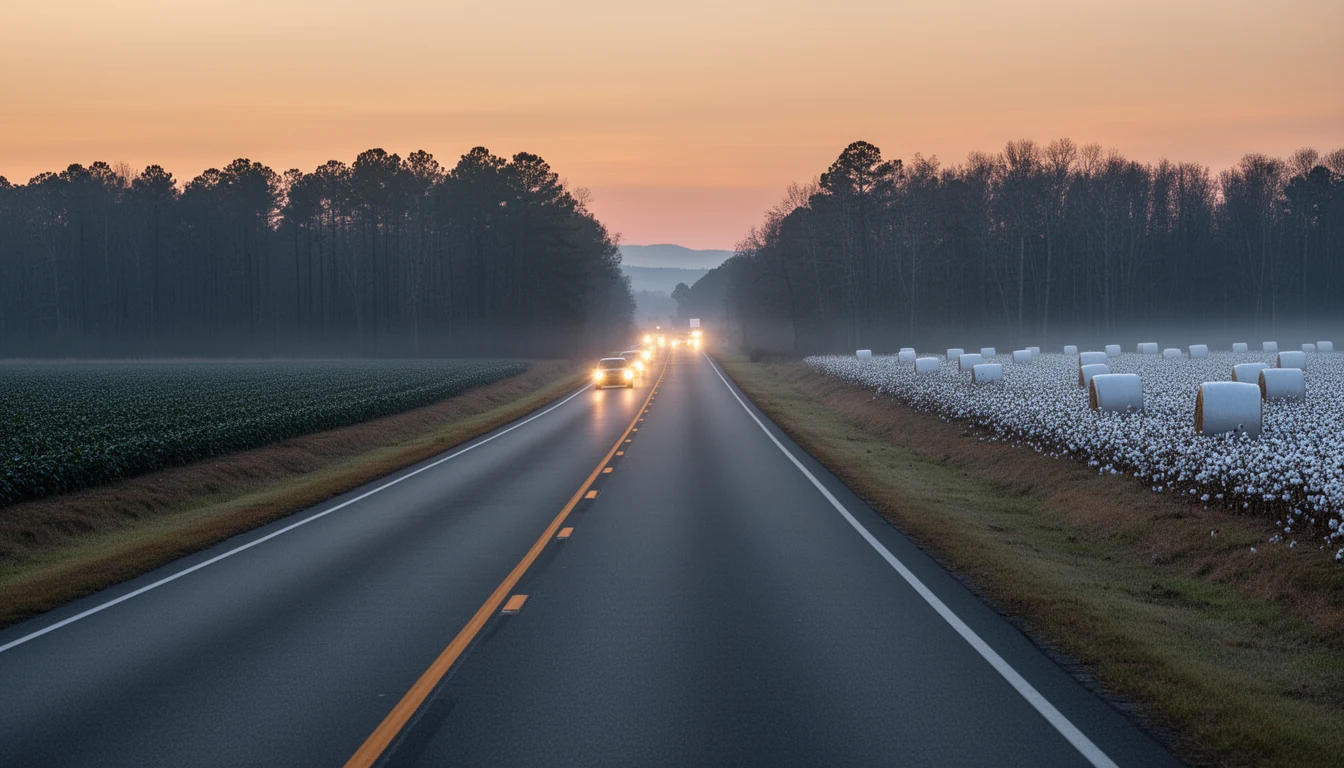
Nine checks before you buy in Windsor and commute: miles to Greenville and Hampton Roads, the fuel math, errands, schools, and where the hospital is.
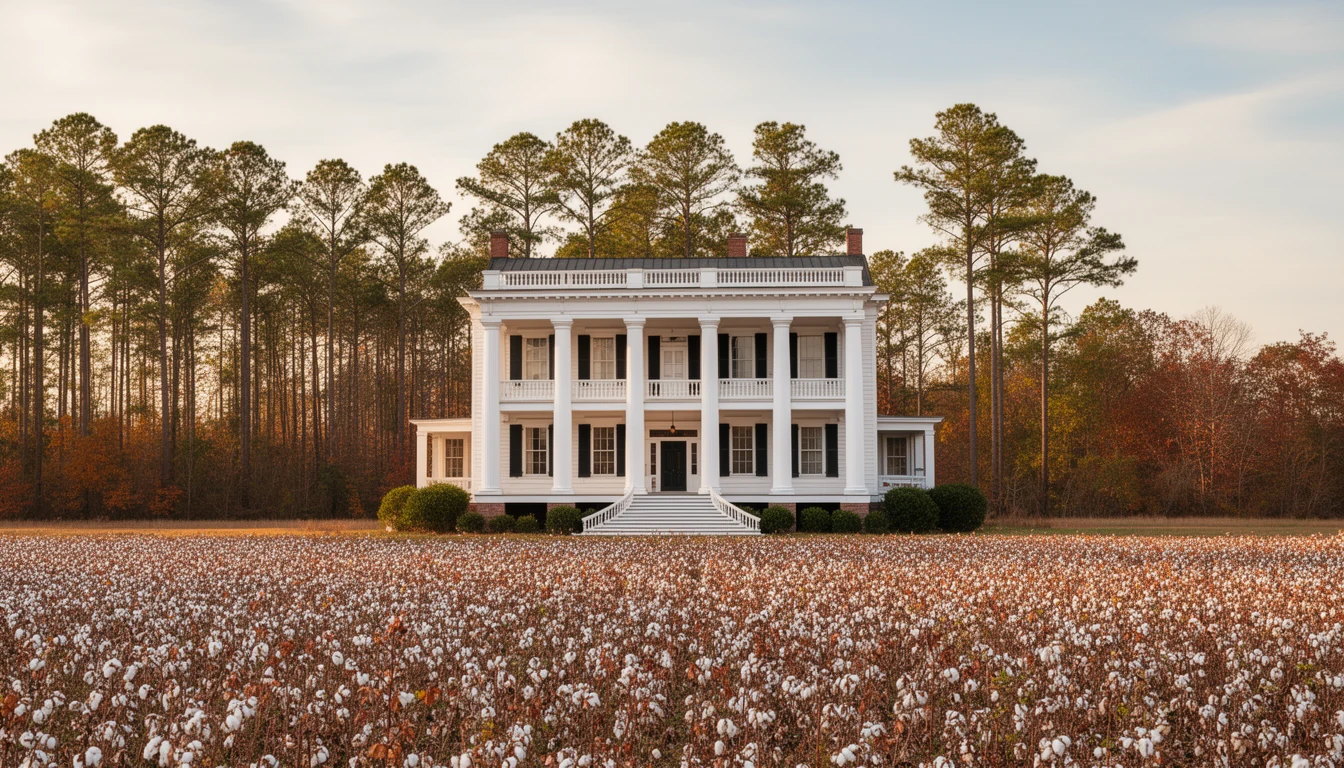
Hope Plantation: Governor Stone's House Near Windsor
Hope Plantation is the 1803 mansion Governor David Stone built four miles outside Windsor. The story behind Bertie County's landmark, and what to know.
7 Conservation Programs That Pay Bertie County Landowners
Seven cost-share, rental, easement, and tax-credit programs that pay Bertie County landowners for timber, farmland, and wetland work, plus a catch on each.